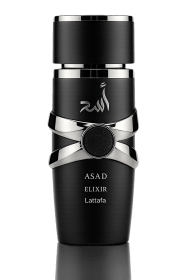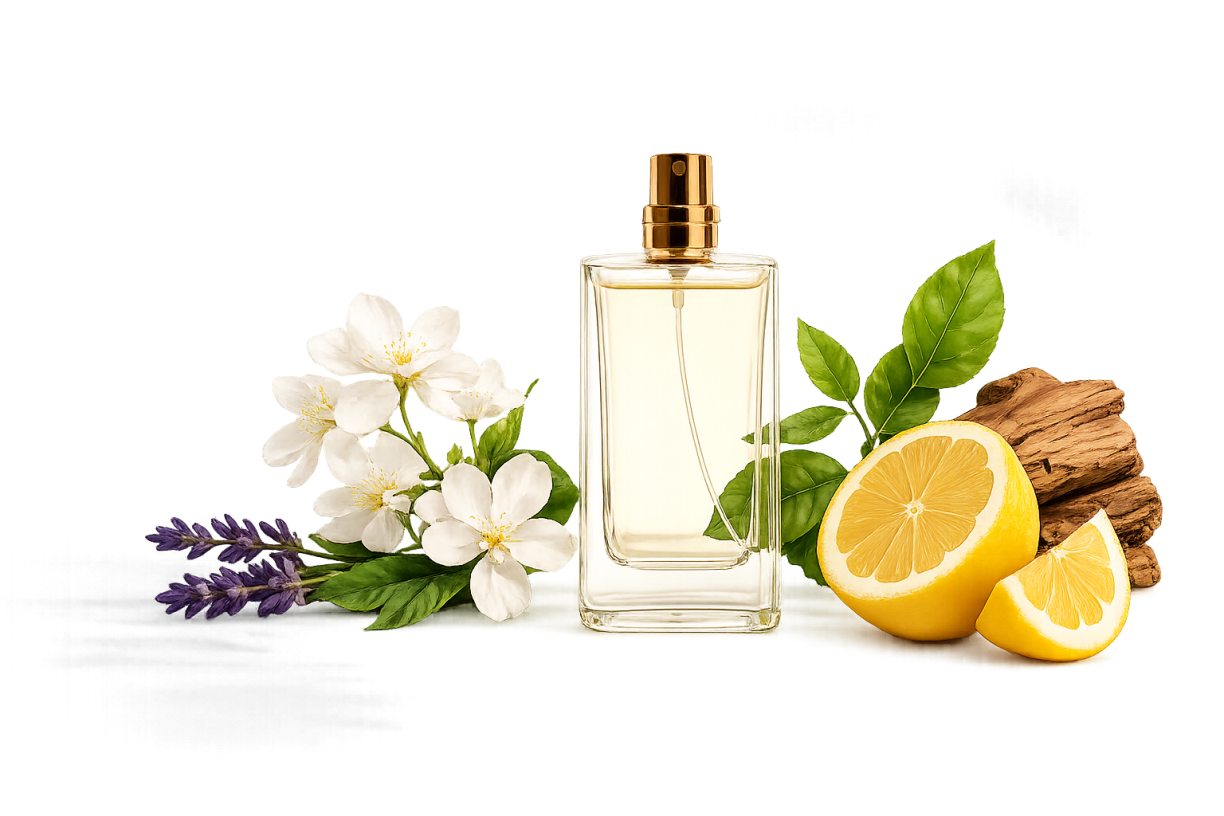
Fragrance layering is promoted in several forms: combining perfumes, adding scented body products, and using a second scent to change a favorite bottle. These are approaches you can explore. Their popularity does not tell you which combination will suit your taste or your daily setting.
Key takeaways
- Choose a partner for one purpose, such as adding brightness or floral character. Compare with the main perfume alone.
- Two vanilla or musk perfumes can differ in strength and sweetness. A matching note list does not guarantee balance.
- Scented lotion and hair products contribute to the overall smell. Record them when comparing a combination.
What the sources actually show
Jo Malone London's layering guide presents combining colognes as a way to personalize a scent, with different partners changing the effect. Its scent-pairing page also includes scented body products. This documents a brand's approach. It does not establish how many people layer perfume or prove that one style is the biggest current trend.
The approaches below are useful ways to understand layering advice. We do not rank them by popularity because we do not have representative sales or wearer data. A frequently repeated social-media recommendation is still something to test, rather than a guarantee.
Changing one perfume with a contrasting scent
This approach starts with a specific goal: make a woody perfume feel brighter, add a floral side to a musk, or add warmth to a fresh perfume. The second fragrance is an accent, meaning its job is to contribute a particular effect.
For example, test a quiet woody perfume with a citrus-led partner. Check whether the extra brightness lasts long enough to be useful. A change in the first five minutes may be enjoyable without changing the perfume's character later in the day.
Combining similar scent profiles
Two vanilla perfumes or two musky perfumes share a recognizable theme. That can make a combination feel familiar, but a shared note is no guarantee of balance. One vanilla perfume might be smoky and dry; another might smell like sweet icing. Their combined result may become sweeter or heavier than you wanted.
Ask what the second fragrance contributes that the first one lacks. If you cannot identify a benefit after several wears, there is little reason to use both just because their note lists match.
Building a scented body routine
A fragrant lotion, hair mist, and perfume can all contribute to the smell you wear. Matching products may reinforce a familiar scent; different products may create a contrast. Record them when evaluating the result. A coconut lotion underneath two perfumes is already a third scented contribution.
Unscented moisturizer is useful when you want to test the perfumes without another intentional smell. Hair mist is a separate product with its own application directions; ordinary perfume should not be assumed interchangeable with it.
Make a trend useful to you
Use bottles or samples you already enjoy. Name one change you want, begin at low amounts, and compare the combination with each perfume alone. Record the later smell and comfort in your actual weather and setting. Changing only one variable on the next test makes the result easier to understand.
A trend can introduce an idea, but repeated wear tells you whether it deserves a place in your routine. Start with the beginner layering guide or explore bottle-specific suggestions in Layering. Treat those suggestions as candidates to test.
Sources and further reading
Content reviewed: 5 October 2026.