Maceration describes a resting stage during perfume production. A flanker is a related version of an existing fragrance. Natural and synthetic describe how aromatic materials are obtained. These terms answer different questions, but all help you interpret what a brand says about a bottle.
Key takeaways
- Manufacturers may rest a diluted fragrance before finishing and bottling. A retail bottle does not automatically need another month.
- A flanker is a related version of a fragrance. Intense or Fresh does not have a universal meaning across brands.
- Natural, synthetic, and biotechnology-derived materials can contribute to a perfume. Their origin alone does not establish quality.
Maceration happens during production
In perfume manufacturing, maceration commonly refers to allowing a diluted fragrance to rest before finishing and bottling. Makers may use “maturation” for related resting stages, with terminology varying between processes. The important distinction for a buyer is between the manufacturer's production process and storing a finished bottle at home.
Carrément Belle describes its own workflow as blending concentrate with alcohol, followed by maceration, further processing, and bottling. That is an example of preparation before sale. It does not support the claim that every new retail bottle needs another month of waiting.
Should you leave a new bottle unused?
You can assess a finished perfume when you buy it. Follow any specific guidance from its maker, but do not assume it must be “activated” with sprays, exposed to air, or deliberately aged to perform properly. A bottle smelling different on a later wear does not by itself explain what caused the change.
Weather, amount, placement, other scented products, and what you are used to smelling can make comparisons difficult. Before concluding that resting improved it, repeat the test under similar conditions and follow the scent through several hours. Bottle aging and a controlled production rest are different situations.
If you dislike a new perfume, waiting is not a guaranteed repair. Keep it according to its storage directions and evaluate it again if you wish. Avoid treating sunlight, heat, or deliberate air exposure as shortcuts to better fragrance.
A flanker is a related fragrance, not necessarily the same smell
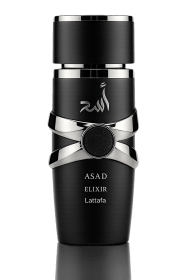
A flanker extends an existing fragrance line with a related name or concept. It might emphasize a new ingredient, change the balance, or introduce a different style. Words such as Intense, Elixir, Fresh, or Night do not have one universal meaning across brands.
For example, “Original” and “Original Intense” might share a recognizable theme while differing in sweetness, woods, or floral character. “Intense” does not tell you precisely how far the fragrance projects or how long it lasts. Check the full name, concentration, and description before reading reviews or ordering a sample.
A flanker is different from a reformulation, which changes the formula of a perfume sold under an existing identity. A concentration variant, such as an eau de toilette and an eau de parfum with the same name, can also differ in smell. Treat each exact version as a separate sampling decision.
Natural and synthetic describe materials, not a quality ranking
A natural extract comes from a source such as a flower, root, wood, or resin. A synthetic aroma molecule is produced through chemical manufacture. Both can provide useful smells, and a perfume may combine them. Biotechnology also supplies some fragrance materials.
Givaudan explains its use of biotechnology in creating aromatic ingredients. That is one reason a simple natural-versus-synthetic slogan tells you less than a description of the actual material and formula. Neither label alone proves a perfume smells better, lasts longer, or suits your skin.
What to check before buying
Record the exact product name and version. Compare the maker's description with wear reviews, then try a sample if possible. Judge the smell you enjoy over time rather than assuming an Intense version is better or a bottle needs weeks to become ready.
Use the perfume testing guide for your comparison and the storage guide for caring for a finished bottle.
Sources and further reading
Content reviewed: 5 October 2026.