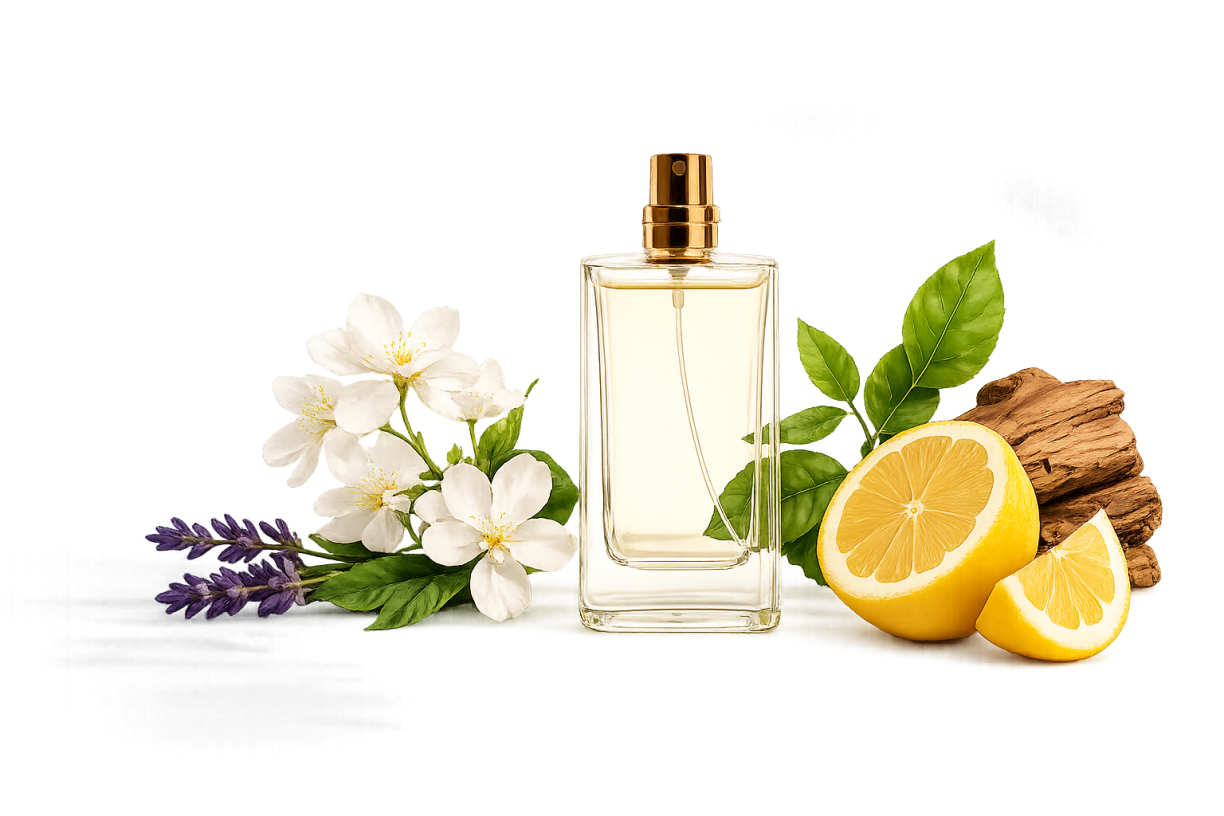
Smell is the sense most tied to memory. One whiff can transport you faster than a photograph. Perfume has also been part of human culture for thousands of years. Understanding both the science and the history helps you choose scents with more intention and fewer surprises.
Why scent triggers memory
- Olfactory signals route through the brain's limbic system, close to emotion and memory centers.
- Visual and auditory cues take a longer path.
- That is why a stranger's perfume can suddenly feel like your grandmother's house, or why a note you have not smelled in decades can bring back a summer you forgot you remembered.
- This connection is involuntary. You cannot reason your way out of a scent that triggers a strong association.
- That is useful information when you are building a wardrobe. Your brain already has opinions your nose has not articulated yet.
Your brain already has opinions your nose has not articulated yet.
Using memory in your wardrobe
- Positive associations can make a perfume a signature. A scent worn on a good trip becomes "vacation in a bottle."
- A note that reminds you of someone you love can anchor a fragrance to a feeling you want to carry.
- Be aware that negative memories attach the same way. If a note reminds you of someone you would rather forget, skip it regardless of hype.
- When testing perfumes, pay attention to emotional reactions, not just whether something smells "good."
- A scent that feels comforting on the first wear often earns a permanent spot.
See how to choose a signature scent for building around scents that resonate deeply.
Ancient origins
- Egyptians, Mesopotamians, and later Arab perfumers refined distillation and resin use long before modern chemistry.
- Frankincense, myrrh, and rose traveled trade routes as luxury goods.
- Many notes in today's perfumes trace back to those materials. The industry did not begin in a Parisian atelier.
- It began with incense, oils, and resins used in ritual and daily life.
- Grasse in France became the modern center of perfumery, but the raw materials still come from around the world.
- Oud, sandalwood, jasmine, and bergamot each carry centuries of cultural weight beyond their smell.
How culture shapes what we wear
- Different regions favor different scent profiles.
- Middle Eastern perfumery often celebrates dense oud and amber.
- French tradition leans toward florals and chypres.
- What reads as "normal" in one country can feel overwhelming in another.
- Climate, cuisine, and social norms all influence local taste.
- Global travel and social media have blurred those lines, but cultural memory still shows up in note preferences.
- A wearer raised around incense may gravitate toward resinous scents without knowing why.
Explore designer, niche, and Middle Eastern perfumery for how different traditions approach scent.
Fun facts worth knowing
Explore materials
Browse frankincense, rose, and oud in the notes glossary to see how ancient materials appear in modern bottles. Pair that with what is fragrance for how today's perfumes are actually made.