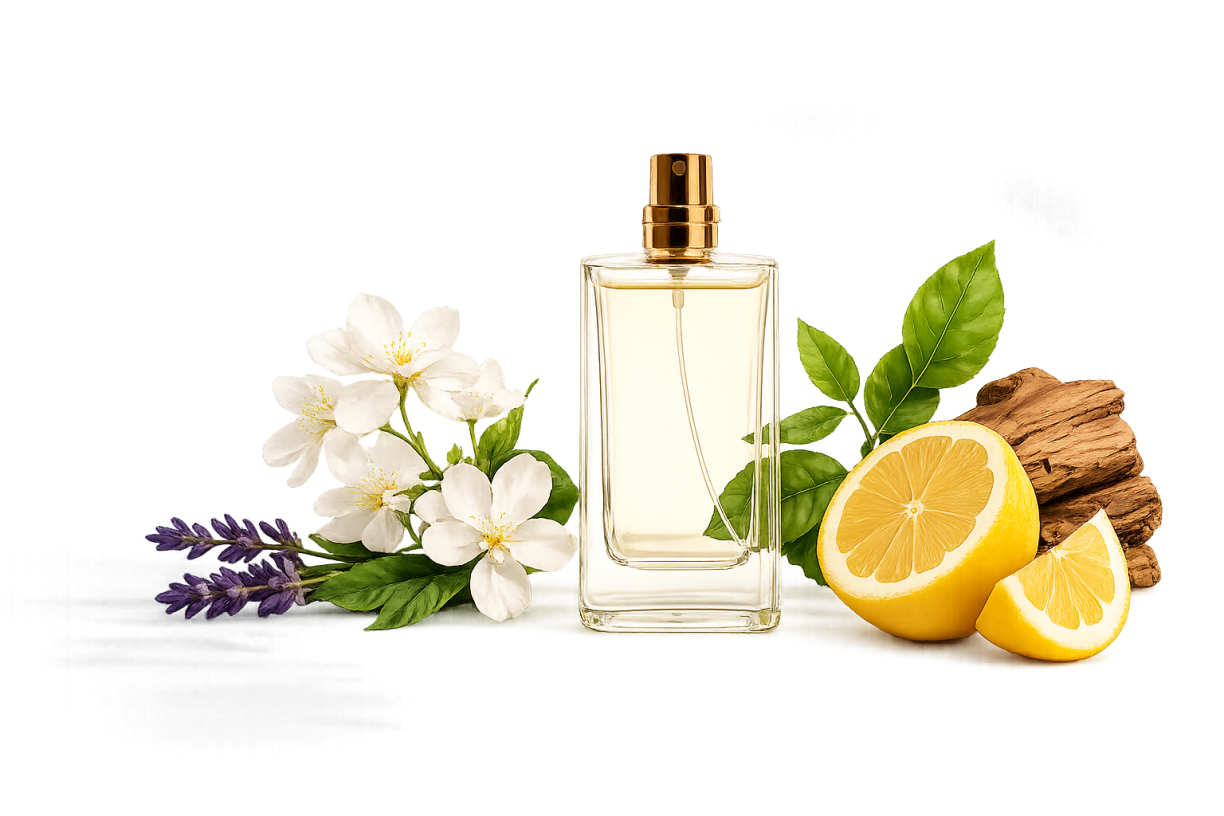
Fragrance is a blend of scented ingredients mixed with alcohol or oil, made to be worn on skin or clothes. Most people just call it perfume. But the word covers everything from a light morning mist to a rich evening extrait that lasts until breakfast.
At its heart, fragrance is personal. It is how you want to feel when you walk out the door. Calm. Confident. Cozy. Sharp. There is no single right answer. There is only what works for you, your skin, and your day.
What goes into a perfume
A brief history in plain English
People have worn scent for thousands of years. Ancient Egyptians used resins and oils in rituals. European courts in the 1700s and 1800s made perfume a status symbol. The 20th century brought mass production, celebrity faces on bottles, and the idea that everyone could have a signature scent.
Today the market is huge and loud. Marketing promises magic in every spray. The useful question is simpler: does this smell good on you, for long enough, in the situations you actually live in?
Why fragrance is personal
- The same bottle can smell amazing on your friend and wrong on you.
- Skin chemistry, diet, hydration, and weather all change how a scent develops.
- Dry skin often drinks perfume faster. Oily skin can amplify sweetness.
- Heat makes everything project further.
A paper strip in a store is step one. Your wrist two hours later is the real test.
Fragrance vs deodorant vs body spray
None of these is better in absolute terms. They do different jobs. Many people use deodorant daily and save perfume for when they want to make an impression.
Where to go next
Learn how perfumes are described with fragrance notes, how accords shape the overall character, and what concentration labels on the bottle actually mean.