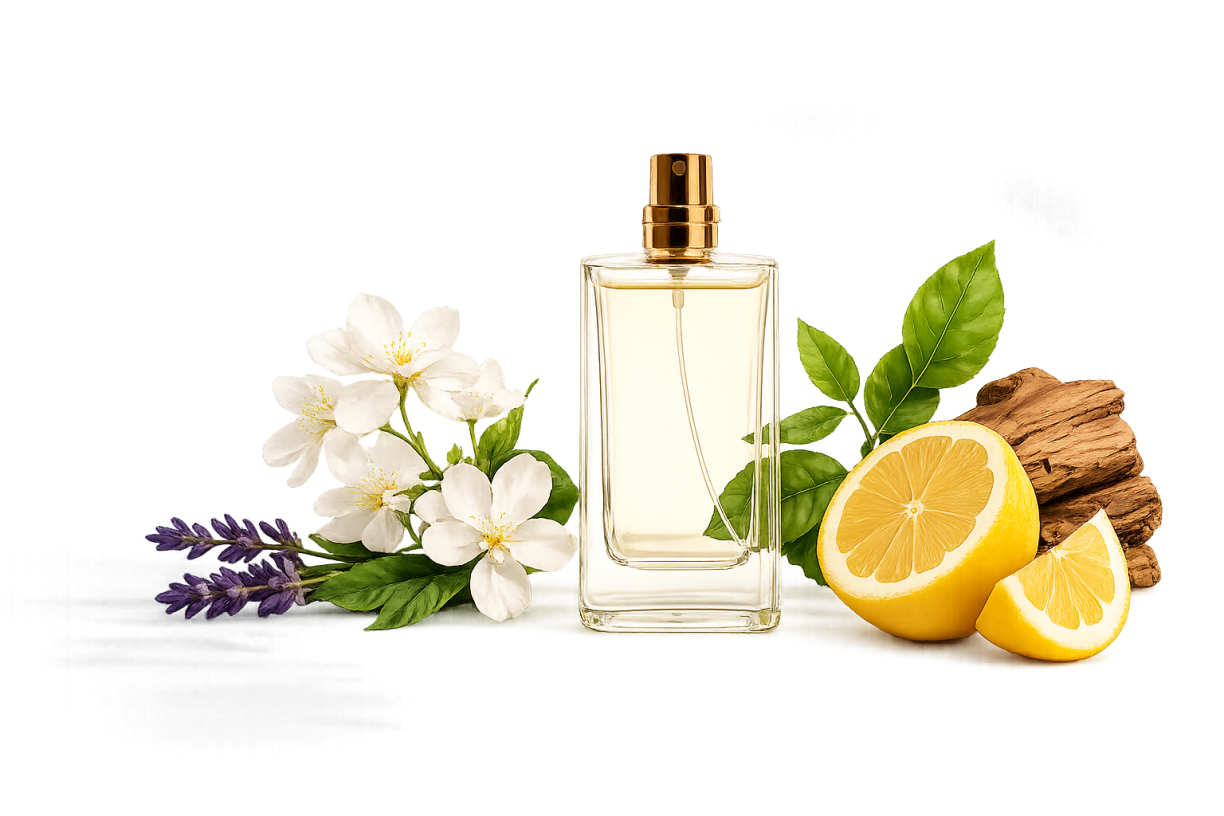
Longevity lives in the base. Top notes fade fast, sometimes within minutes. Base ingredients anchor a perfume for hours and define what you smell at the end of the day. When someone says a fragrance "lasts forever," they are almost always describing the drydown, not the opening bergamot flash. If you shop for longevity, shop the base.
What base notes actually do
- Base notes are the slowest to evaporate. They provide depth, fix the composition, and carry sillage into the drydown.
- They glue volatile top notes to your skin so the whole perfume does not disappear by lunch.
- When reviewers praise longevity, they are usually describing the base. When they complain about a scent turning into nothing, the base was probably too thin.
Frankincense, myrrh, and resinous fixatives
- Frankincense, myrrh, and benzoin are having a resurgence in niche perfumery. They add incense-like warmth and exceptional staying power.
- Frankincense can smell lemony and airy or deep and church-like depending on the quality and blend.
- Benzoin brings vanilla-adjacent sweetness with a balsamic thickness that clings to fabric.
- Resins are among the oldest fixatives in perfumery. Browse frankincense, myrrh, and benzoin in the notes glossary and notice how often they appear in perfumes rated highly for longevity on Scentapedia.
Woods and patchouli
- Cedar is dry and pencil-sharp. Sandalwood is creamy and skin-like. Vetiver is earthy and refined.
- Patchouli is the heavyweight: earthy, slightly sweet, and capable of persisting for days on a scarf.
- If you want longevity without patchouli's hippie baggage, vetiver and cedar often do the job more quietly.
Longevity on paper is a starting point. Your skin chemistry still gets the final vote.
Musks, ambers, and modern polymers
- Synthetic musks and amber" class="text-primary dark:text-primary hover:underline">amber accords extend wear without loud projection.
- Ambroxan, iso e super, and other large molecules create a persistent aura that does not necessarily shout across a room.
- Amber in perfumery is usually a blended accord of labdanum, benzoin, and vanilla rather than one raw material. It reads golden and warm and tends to hold on skin well into the evening.
Vanilla, tonka, and sweet anchors
- Vanilla and tonka bean are not just for gourmands. At the base, they smooth rough edges and slow evaporation.
- Tonka brings almond-and-hay warmth that lasts. Vanilla can be dry and woody or rich and custard-like depending on the surrounding notes.
- Sweet base notes work differently in heat versus cold. In winter they feel cozy and persistent. In summer they can become cloying fast.
Shop smart for longevity
- Check community longevity ratings on Scentapedia and read the base notes before you buy.
- A perfume with only citrus up top and musk below may fade faster than one with vetiver, benzoin, or patchouli anchoring the drydown.
- Concentration matters too: extrait and eau de parfum generally outlast eau de toilette.
Read fragrance notes for pyramid basics, performance to understand how longevity differs from projection and sillage, woody base ingredients and woody fragrances for the full family context, ingredients by weather before committing to a heavy vanilla base for year-round wear, and how to choose a long-lasting perfume and fragrance concentrations for the full picture beyond ingredients alone. Explore amber-related accords alongside individual base notes for a complete picture.