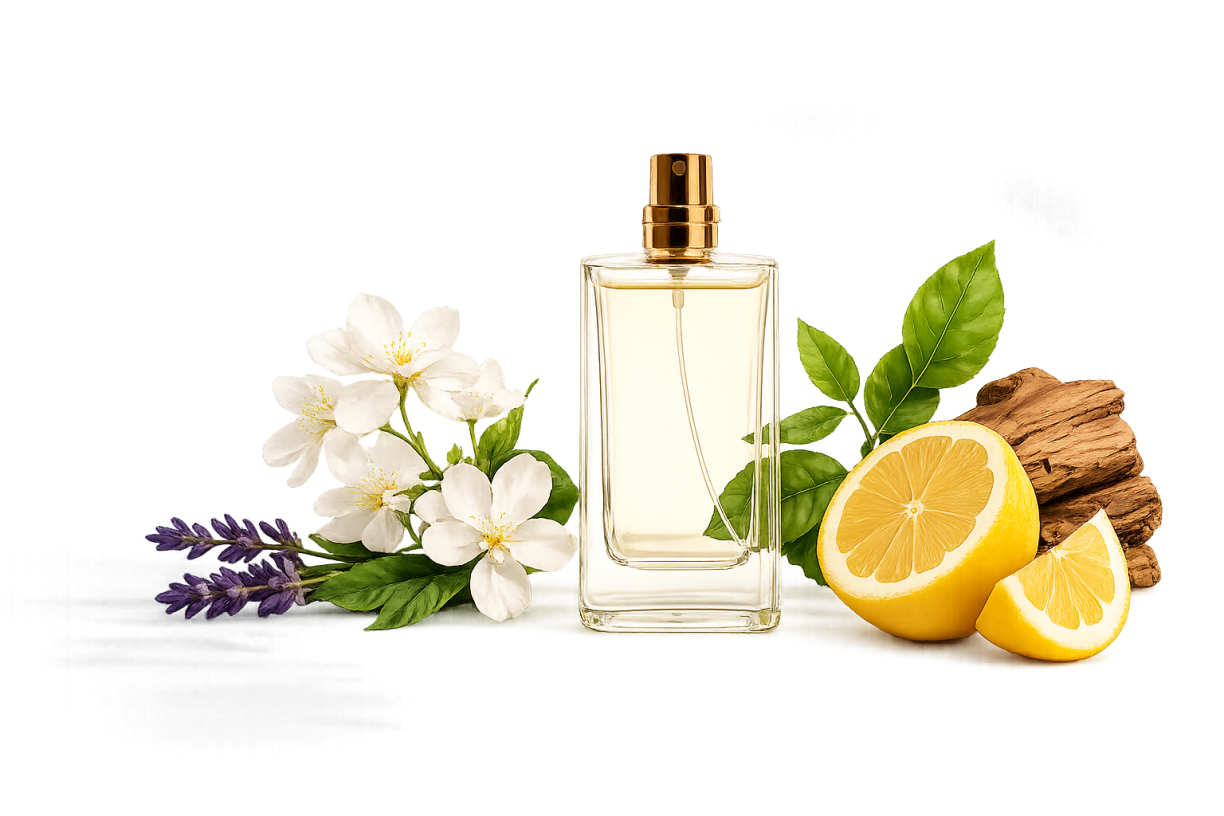
Woody base ingredients hold a perfume together. They arrive last, stay longest, and often define whether you love the drydown or bail after an hour. If top notes are the introduction and heart notes are the conversation, base woods are the impression you leave behind. Most signature-scent loyalty is really base-note loyalty in disguise.
Core woody base materials
Vanilla: more than dessert
- Bourbon vanilla can be rich and custard-like. Some synthetic vanillas are dry and almost woody.
- Vanilla is often the reason a perfume feels "cozy" hours after spraying.
- Search vanilla in the notes glossary and compare gourmand versus woody releases that list it.
Amber, labdanum, and balsamic warmth
Amber is a blended impression, not one raw material. Labdanum adds a leathery, slightly animalic depth. Benzoin brings balsamic sweetness that fixes other notes in place. Read amber and oriental fragrances and amber and gourmand accords for how amber functions at the accord level.
Sandalwood and cedar
- Sandalwood is creamy and skin-like, one of the most wearable woods in perfumery.
- Cedar is dry and pencil-sharp, adding structure without heaviness.
- Both are workhorse base notes with wide appeal.
Patchouli and vetiver
- Patchouli polarizes. It persists on fabric longer than most notes you will encounter.
- Vetiver often converts skeptics because it reads fresher and more transparent.
The base is where loyalty is earned.
Oakmoss, oud, and darker woods
Oakmoss is the chypre family's anchor: earthy, slightly bitter, and unmistakably classic. Oud at the base adds dark, resinous depth that can last well into the next day on clothing. These darker woods and mosses reward cool weather and confident wearers. Read oud and leather ingredients and chypre fragrances when you want to go further.
Musk in the base and building a woody rotation
Clean musks in the base add longevity without heaviness. Musk plus cedar or sandalwood is the backbone of countless modern skin scents and office-friendly woods. See long-lasting base ingredients, woody fragrances, and filter woody accords on Browse to find your drydown.