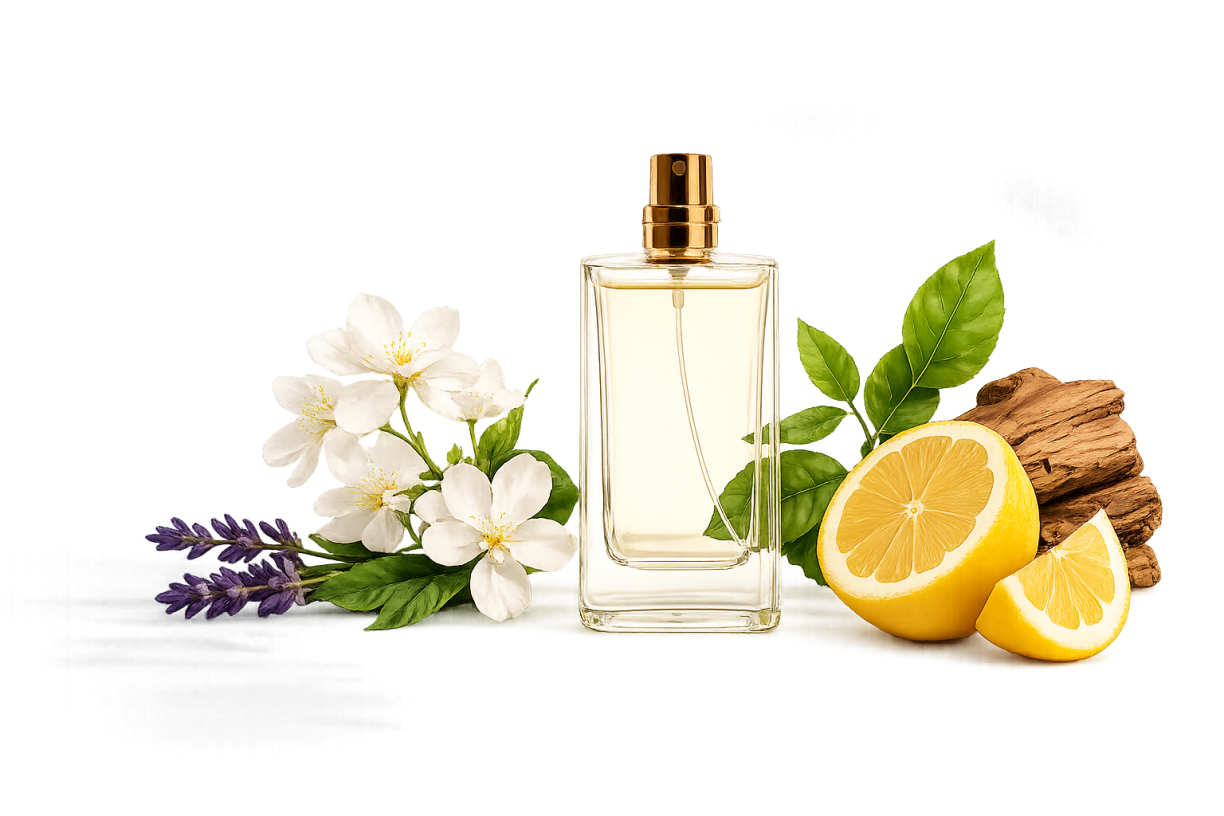
Chypre is a classic fragrance structure built on contrast: bright citrus at the top, a floral heart, and a mossy, woody base. The name comes from François Coty's 1917 perfume Chypre. The style feels elegant, slightly dry, and grown-up. If sweet vanilla perfumes bore you, chypre may be your lane.
The chypre structure
- Traditional chypre accords combine bergamot, oakmoss, patchouli, and labdanum.
- Bergamot opens sharp and aromatic. The heart often includes rose or jasmine.
- The base is where chypre earns its reputation: damp moss, dark woods, and a slightly bitter dryness that lingers for hours.
Oakmoss restrictions in modern perfumery led many houses to reformulate classic chypres. Perfumers now use patchouli, synthetic moss, or woody aromatics to approximate the effect. The spirit remains even when the exact materials change.
Who enjoys chypre
- If you dislike overly sweet perfumes and prefer something refined with bite, chypre may appeal.
- They work well in professional and formal settings where loud gourmands would feel out of place.
- Chypre is not a beginner default. Give it two or three full wearings before deciding.
The mossy base can smell medicinal or harsh until your nose adjusts. Patience rewards chypre lovers.
Chypre vs fougère vs woody
- Fougères share some DNA through lavender and moss but feel more aromatic and barbershop-clean.
- Woody perfumes may skip the citrus-moss contrast entirely.
- All three families reward patience: the drydown is usually better than the first spray.
Explore further
Explore chypre and mossy accords on Scentapedia, or read about fougère and woody families for similar classic profiles.