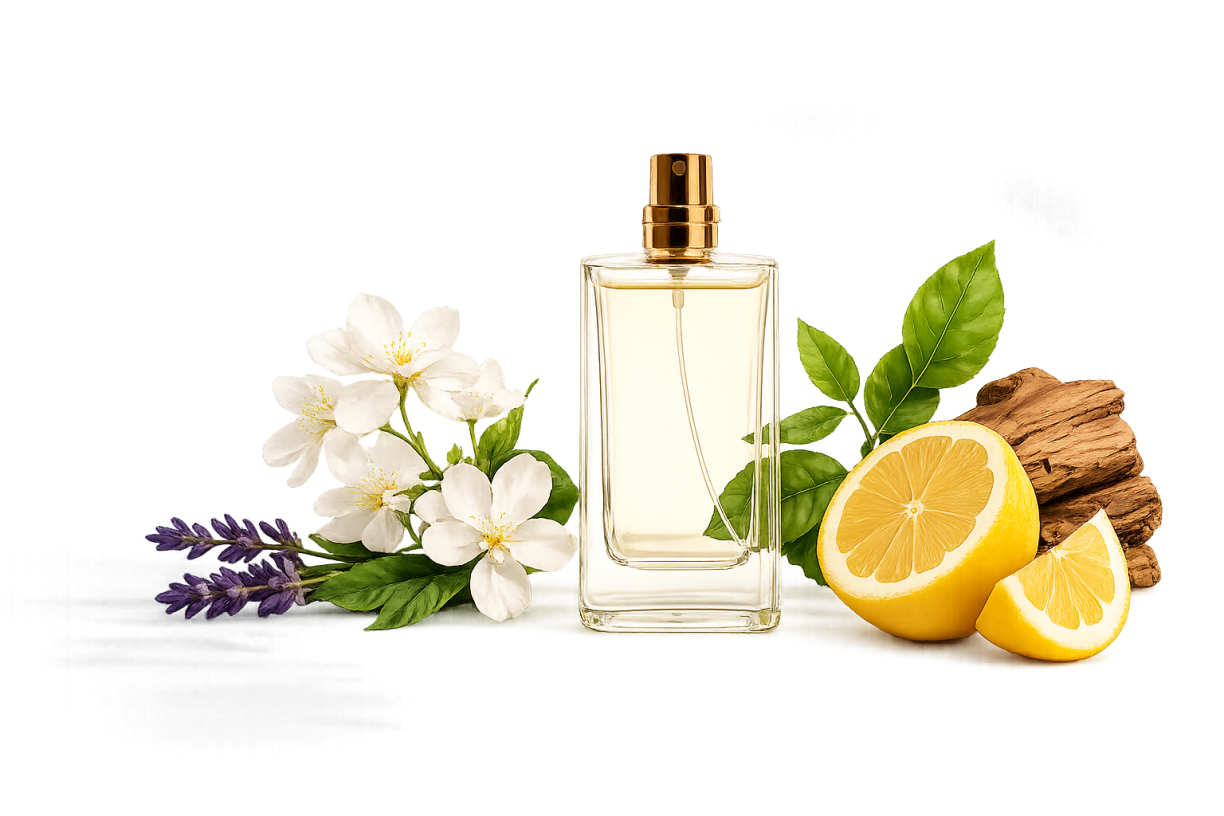
Fougère means fern in French, and the family describes a blend of lavender, herbs, coumarin, and oakmoss. It became the backbone of classic men's barbershop scents and still influences modern unisex and masculine fragrances today. Even if you have never heard the word, you have almost certainly smelled a fougère.
The fougère accord
- The core is lavender plus coumarin, which smells softly sweet and hay-like, often with geranium and moss.
- The result feels clean, aromatic, and familiar.
- Many aftershaves and heritage men's perfumes are fougère at heart, even when marketing focuses on fresh or woody language instead.
Houbigant's Fougère Royale from 1882 defined the template. The structure proved so successful that it shaped a century of masculine perfumery. Today the accord shows up in office scents, designer masculines, and niche aromatic blends alike.
Modern fougères
How the family has evolved
The lavender-coumarin thread is the clue that ties them together.
You do not need to love old-school aftershave to enjoy a modern fougère, but knowing the family helps you recognize the DNA when shopping.
When fougères work
Where fougères earn their keep
- In very hot weather, the aromatic herbs can feel sharp; lighter fresh fougères handle summer better than dense mossy ones.
Explore further
Browse aromatic and fougère accords on Scentapedia, or compare with fresh and woody guides if you want cleaner or drier alternatives. For more classic structure, see chypre.