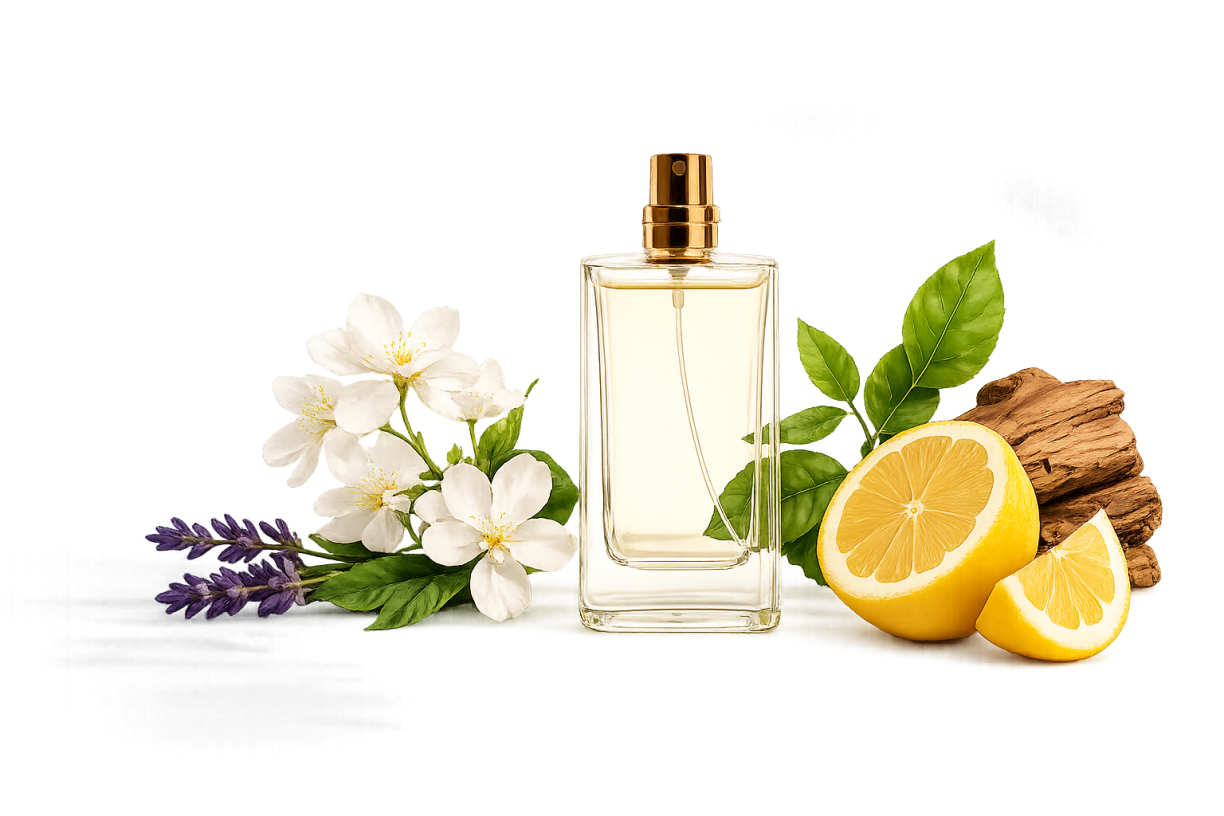
Fresh fragrances feel clean, bright, and energizing. They lead with citrus, green, aquatic, or aldehydic materials and tend to read as approachable rather than dramatic. For many people, a fresh scent is the first step into perfumery because it smells familiar: like a peeled orange, a sea breeze, or freshly washed linen.
What fresh smells like
Common fresh materials
Some fresh perfumes stay sharp and sporty. Others soften into soapy musks or light woods.
Who they suit
When fresh is the right call
Fresh does not mean weak. Check Scentapedia reviews for longevity before assuming every fresh scent disappears quickly.
When to wear fresh scents
Fresh fragrance sweet spots
- In deep winter, a very light citrus scent can feel thin; many wearers switch to woodier or amber perfumes until spring returns.
Explore fresh scents on Scentapedia
Browse fragrances tagged with fresh or citrus" class="text-primary dark:text-primary hover:underline">citrus accords in our accords glossary, or search individual notes like bergamot in the notes glossary. Read reviews to see how long they last on real wearers, not just on paper strips.