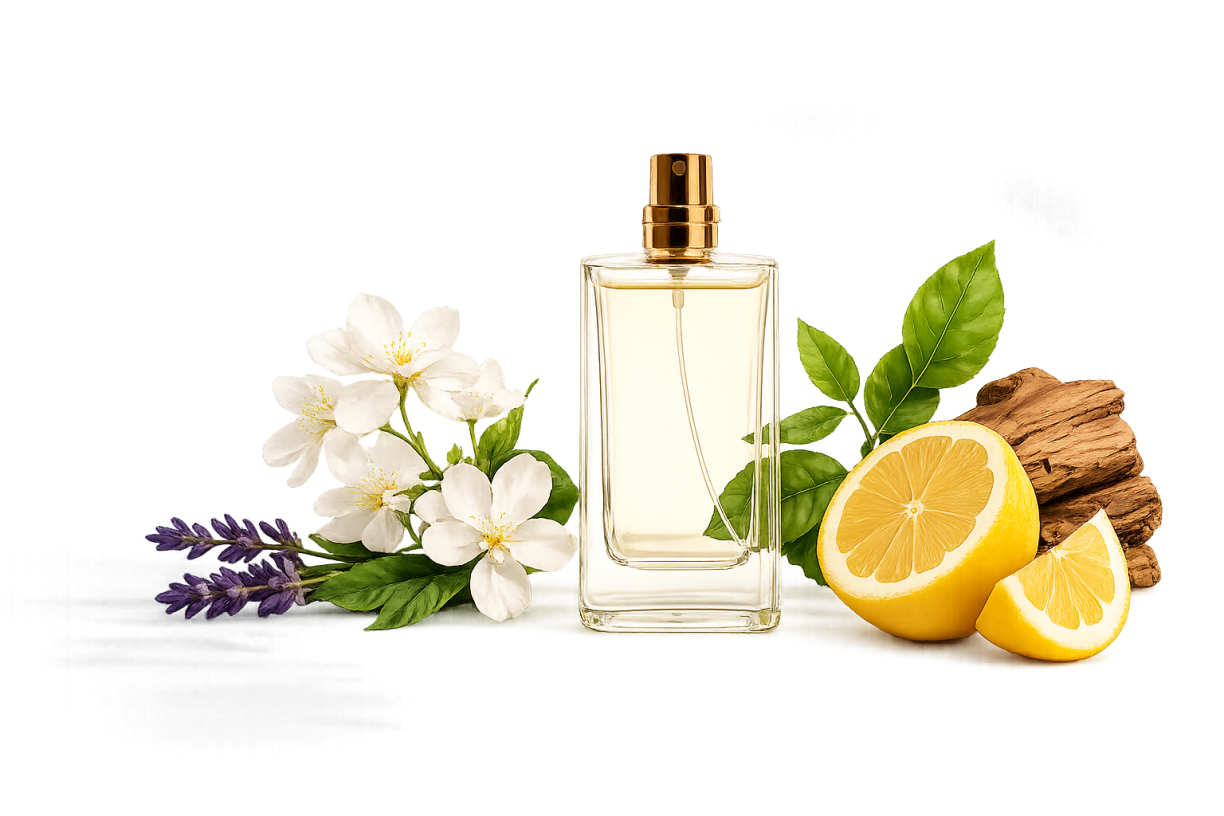
Notes are the building blocks listed on every perfume page. If accords describe the overall character, notes tell you which materials are actually in the bottle. The notes glossary turns those labels into a discovery tool. Once you learn to read them, you stop guessing from marketing copy and start shopping with a map.
Read the note pyramid
- Top notes hit first, heart notes define the middle, base notes linger longest.
- A perfume heavy on bergamot up top will open bright and inviting.
- One built on patchouli and vanilla will evolve slowly and reward patience.
See fragrance notes if the pyramid is new to you, and why perfume changes over time for what happens on skin versus paper.
Start with one note you already love
- The fastest path to a good bottle is a single ingredient you recognize.
- Each note page on Scentapedia links to perfumes that feature it.
- Heard an unfamiliar name in a review, like ambroxan or hedione? Search the glossary before you dismiss the whole fragrance.
Those adjectives in the glossary are your early warning system for blind buys.
Browse the glossary like a menu
- The glossary is organized for browsing, not just lookup. Citrus families, white florals, resinous bases: each cluster tells you what perfumers reach for.
- Reading ten note pages in one sitting teaches you more than scrolling fifty perfume ads.
- "Powdery" iris behaves differently from "jammy" rose. "Dry" cedar is not the same as "creamy" sandalwood.
Filter Browse by note
- Use Browse to filter by a specific note when you want everything with sandalwood, green tea, or blackcurrant in the mix.
- Two notes together often tell a story. Bergamot plus vetiver suggests a crisp modern cologne. Vanilla plus tobacco points toward evening warmth.
Notes vs accords: use both
Use notes when you care about a specific ingredient. Use accords when you want a broader mood or family. Read notes vs accords if the distinction still feels fuzzy.
Go deeper by ingredient family
Our Ingredient Library spotlights explain major notes in detail. Start with citrus if you want brightness, floral for the heart of perfumery, woody bases for what lingers, or aromatic and spice for structure and warmth. When you are ready to wear what you have learned, read ingredients by time of day and ingredients by weather.