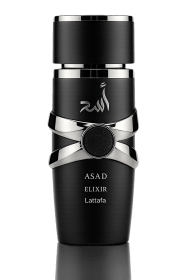
A gourmand perfume suggests food: it may smell like vanilla custard, roasted coffee, chocolate, nuts, or caramel. Before adding a second perfume, decide which part you want to change. You might want a brighter opening, a drier contrast, more creaminess, or simply a different version of a favorite scent.
Understand the gourmand you already own
- Food-like does not always mean very sweet. A roasted coffee impression can feel drier than a caramel or icing-like one.
- The whole formula matters. Your gourmand may already contain citrus, woods, spice, musk, or flowers.
- Choose according to the later smell too. A pleasant fresh opening can give way to a sweetness you find excessive.
Describe the perfume in ordinary words before choosing a partner: “sweet vanilla with dry wood,” “roasted coffee with cream,” or “chocolate with earthy patchouli.” You do not need to identify every ingredient. A clear description helps you avoid adding more of an effect the perfume already has.
For brightness, explore a citrus or green partner
A citrus-led perfume can add a peel-like freshness; a green perfume can add a leafy or herbal impression. That contrast may make a sweet opening feel less uniform. It adds another smell rather than removing the sweetness already present.
- Start with a partner whose later smell you also enjoy. Many citrus perfumes have substantial woody or musky bases.
- Check whether you like the result after the freshness fades. A pairing that helps only in the first few minutes may still be enjoyable, but it will not change the whole day.
For a drier contrast, explore woods or roasted effects
If your perfume feels like sweet icing, a dry cedar-like fragrance or a less-sweet coffee profile may give the combined smell a contrasting edge. “Dry” describes an impression with little obvious sweetness; it does not mean dry skin or an alcohol-free product.
Check the candidate alone. A perfume marketed as woody can also be heavily sweetened, and a coffee perfume can resemble a sugary latte. Choose the effect you actually smell instead of expecting the category name to balance your gourmand automatically.
For creaminess or warmth, decide how much sweetness you want
A creamy sandalwood-like perfume, a gentle musk, or another vanilla perfume may move the result toward a smoother impression. Another gourmand may deepen a dessert effect you already enjoy. Those are legitimate goals; making the perfume less sweet is not the only reason to layer.
The useful comparison is whether the combined effect is better for you than either perfume alone. You may still recognize both bottles. If you enjoy that balance, recognizability is not a failure.
A worked example: sweet vanilla with dry wood
Choose, compare, then adjust
This is an illustrative experiment, not a tested recommendation for every vanilla-and-wood pair. Full timing and recording instructions are in how to test a layering combination.
When to keep the gourmand on its own
If you already enjoy its balance, a second perfume is optional. If you dislike its main character, a partner may not solve that problem. If it is too noticeable for a hot commute or a close dinner, first reduce the amount or choose a quieter perfume. Adding something fresh does not reduce the amount already applied.
For vanilla specifically, read the vanilla layering guide. For the food-like effects themselves, modern gourmand ingredients explains the vocabulary. Jo Malone's pairing guidance documents one brand's combining approach; the experiments here remain personal wear tests.
Sources and further reading
Content reviewed: 5 October 2026.