There is no application order that guarantees a better result for every pair of perfumes. For a simple first test, apply the perfume whose character you want to keep, let the sprayed area dry, then add a small amount of the second perfume. Compare the reverse order on another day if you want to know whether it matters for that pair.
Key takeaways
- The main fragrance is the character you want to keep. The accent contributes a specific change.
- Apply one perfume, let the sprayed area dry, then add the second. There is no universal waiting time or heavy-first rule.
- On another day, reverse the order with the same amounts and placement. If there is no repeatable difference, order need not concern you.
Separate strength from order
The perfume you apply first is not automatically the one you will smell most. A strong second perfume can dominate a quiet first perfume. Spray count, the amount released by each atomizer, the formula, and where you apply it all affect the result.
Choose your main fragrance: the perfume you want to remain recognizable. Choose an accent fragrance: the perfume intended to add freshness, sweetness, warmth, or another effect. These are useful testing roles. They do not mean one must always go underneath the other.
Same spot or separate spots?
Applying both perfumes to the same area creates a local mixture on the skin. Applying them to different areas lets each evaporate from its own location, while you experience their combined smell around you. Both are ways of wearing fragrances together. Neither is a guaranteed method for making two compositions blend perfectly.
Begin on separate forearms if you want to identify what each fragrance contributes. Once you know you enjoy that result, you can test the same area on a later day. Keep perfume on suitable application areas and follow the product directions.
Try one clear comparison
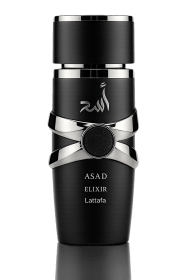
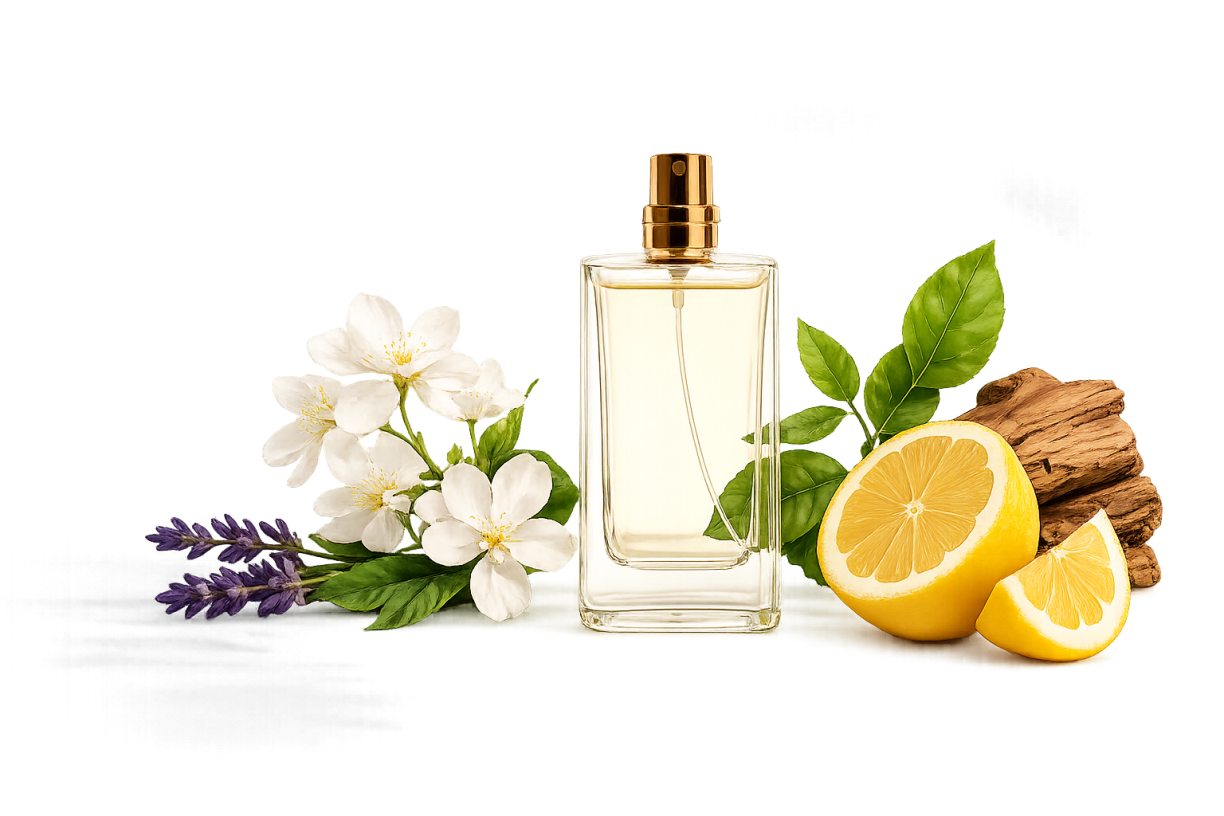
Example: a woody perfume and a citrus perfume
Waiting until the surface is dry makes the application easier to repeat. It does not create separate sealed layers, and there is no universal waiting time that makes any two perfumes compatible. Changes in weather or activity can also affect the comparison.
Where lotion and hair products fit
Let moisturizer absorb before applying perfume so your test starts on a dry surface. Unscented lotion adds no intended fragrance; scented lotion contributes its own smell and should be recorded as part of the combination. Products made for hair should be used according to their own instructions.
Jo Malone London's layering-kit instructions give an example of sequential perfume application. That is a product-specific routine, rather than evidence of a universal heavy-first rule.
If the result changes dramatically when you reduce one perfume, amount may be the more useful variable. Read how many sprays to use before adding another layer.
Sources and further reading
Content reviewed: 5 October 2026.