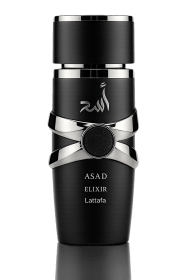
To layer an oud perfume, start by identifying what you actually smell: smoky wood, leather, earthy warmth, sweetness, or a smoother woody effect. Then choose one feature you want to add. An oud label alone cannot tell you which partner will work.
Key takeaways
- Oud perfumes may emphasize smoke, leather, earthiness, sweetness, or smoother woods. Start with what your bottle actually smells like.
- Rose may add floral character; citrus may add brightness; vanilla may add sweetness. These are directions to test, not guaranteed pairs.
- Test at low amounts and assess several hours later. If the combination remains too dense, use less oud or choose another perfume.
Understand the oud in your bottle
Natural oud oil comes from agarwood: resin-containing wood from trees such as Aquilaria. Givaudan's description of its Thai agarwood oil includes woody, smoky, leathery, and animal-like aspects. “Animalic” describes smells that suggest warm skin, leather, or an animal-like intensity. It does not mean an animal ingredient was used.
A finished perfume can emphasize different parts of that profile. Its listed oud note may also be a reconstructed scent impression. Do not assume every oud perfume contains the same material, smells equally strong, or needs the same spray count. Wear yours alone first and identify its later smell, often called the drydown.
Choose the effect you want
Three directions to test
These are experiments based on contrasting scent profiles, not proven combinations. Another woody perfume may add depth, but it may also repeat an effect your bottle already has. Choosing a partner with a clear purpose helps you decide whether the addition improves anything.
A practical rose-and-oud test
Suppose you enjoy an oud perfume's woody drydown but want a clearer rose note. On separate days, wear the oud and rose perfumes alone at low doses. Then try one spray of each on separate forearms at home, provided each is comfortable at that amount. Evaluate their combined smell after 15 minutes, one hour, and four hours.
If the rose takes over and you miss the oud, choose a quieter rose partner rather than automatically adding more oud. If the combination is pleasant but too strong, lower the total or keep the perfumes for separate wear. If you can still recognize both fragrances and enjoy the effect, the test can count as successful.
What a fresh partner cannot do
Adding citrus does not remove the oud, dilute the perfume already on your skin, or guarantee that a heavy composition becomes comfortable in hot weather. It adds another smell. If the combined result is still too dense for the setting, wear less oud or choose a different perfume.
Keep the experiment small in shared spaces, and do not buy a full bottle solely to repair an oud fragrance you dislike. Samples let you compare partners with less commitment. Use the testing guide to record amounts and placement, and the spray-count guide to adjust the result.
Sources and further reading
Content reviewed: 5 October 2026.